DWDAVID WENVETERANS RESEARCHGet in touch ↗

DAVID WEN · INDEPENDENT RESEARCH

Veterans Research

Independent research on veteran reintegration, financial literacy, and community connection, informed by interviews with 50+ veterans across Canada, the UK, and France.

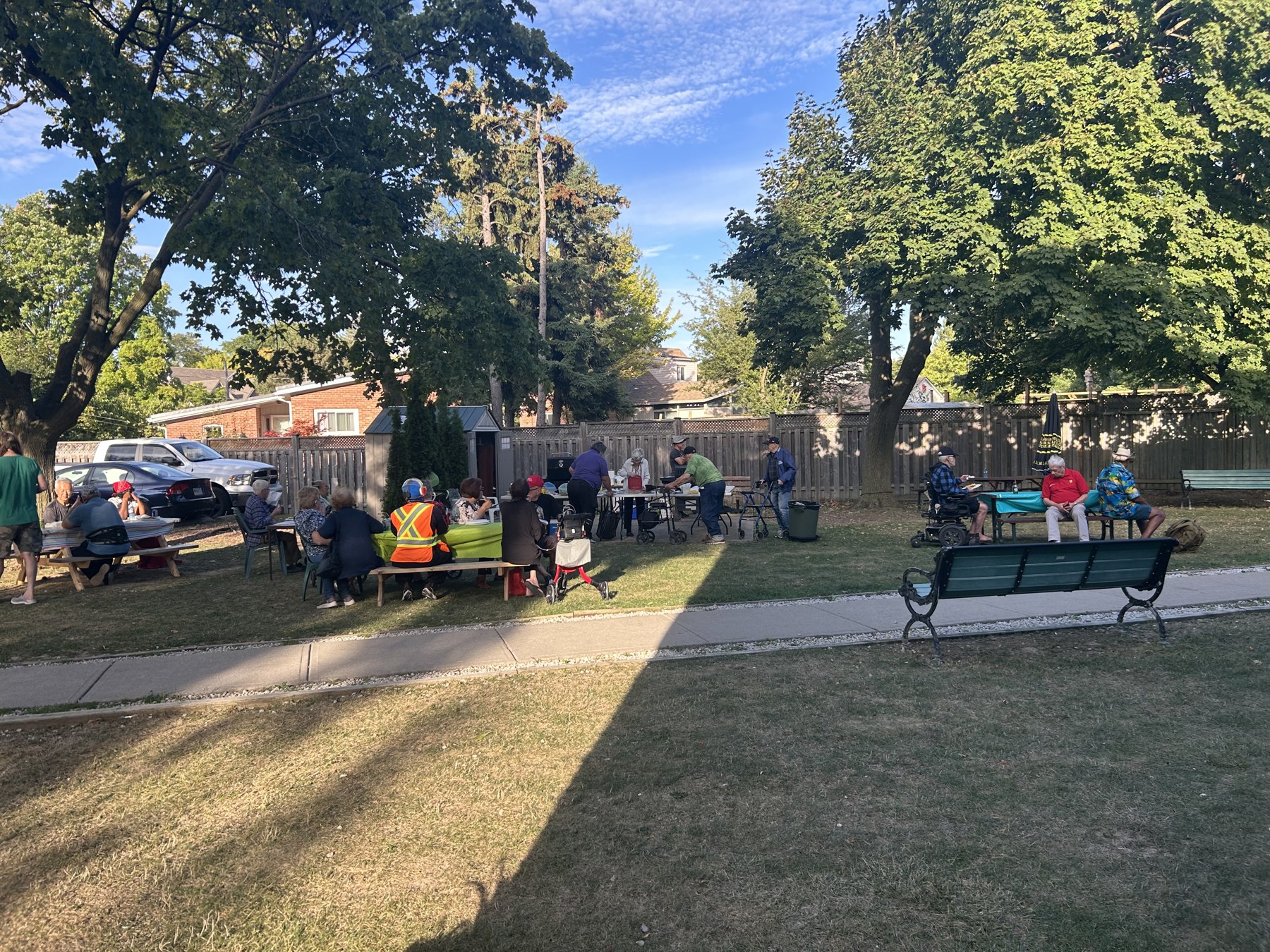
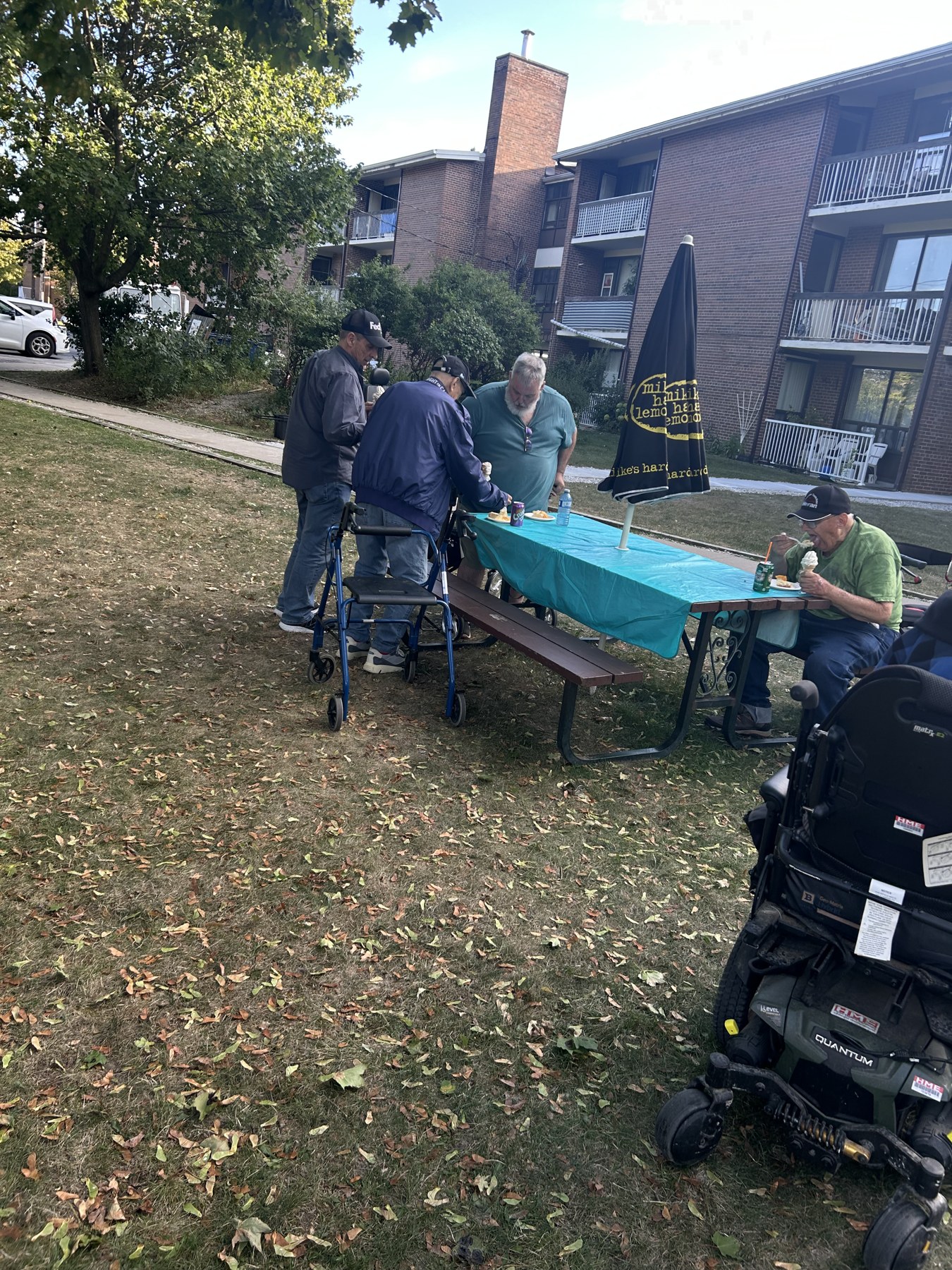
An outdoor community barbecue with veterans and volunteers
PASS THE TORCH ARCHIVE

Community visits
and conversations with veterans.

COMMUNITY OUTREACH
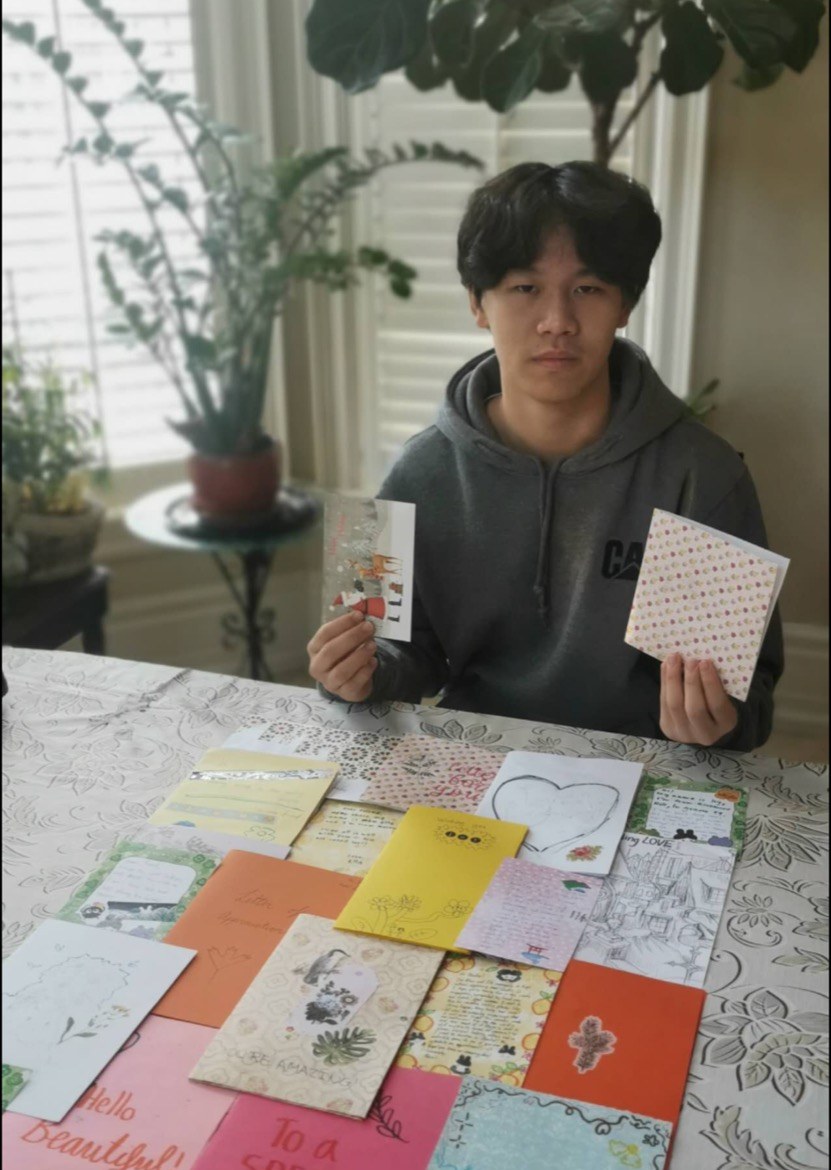
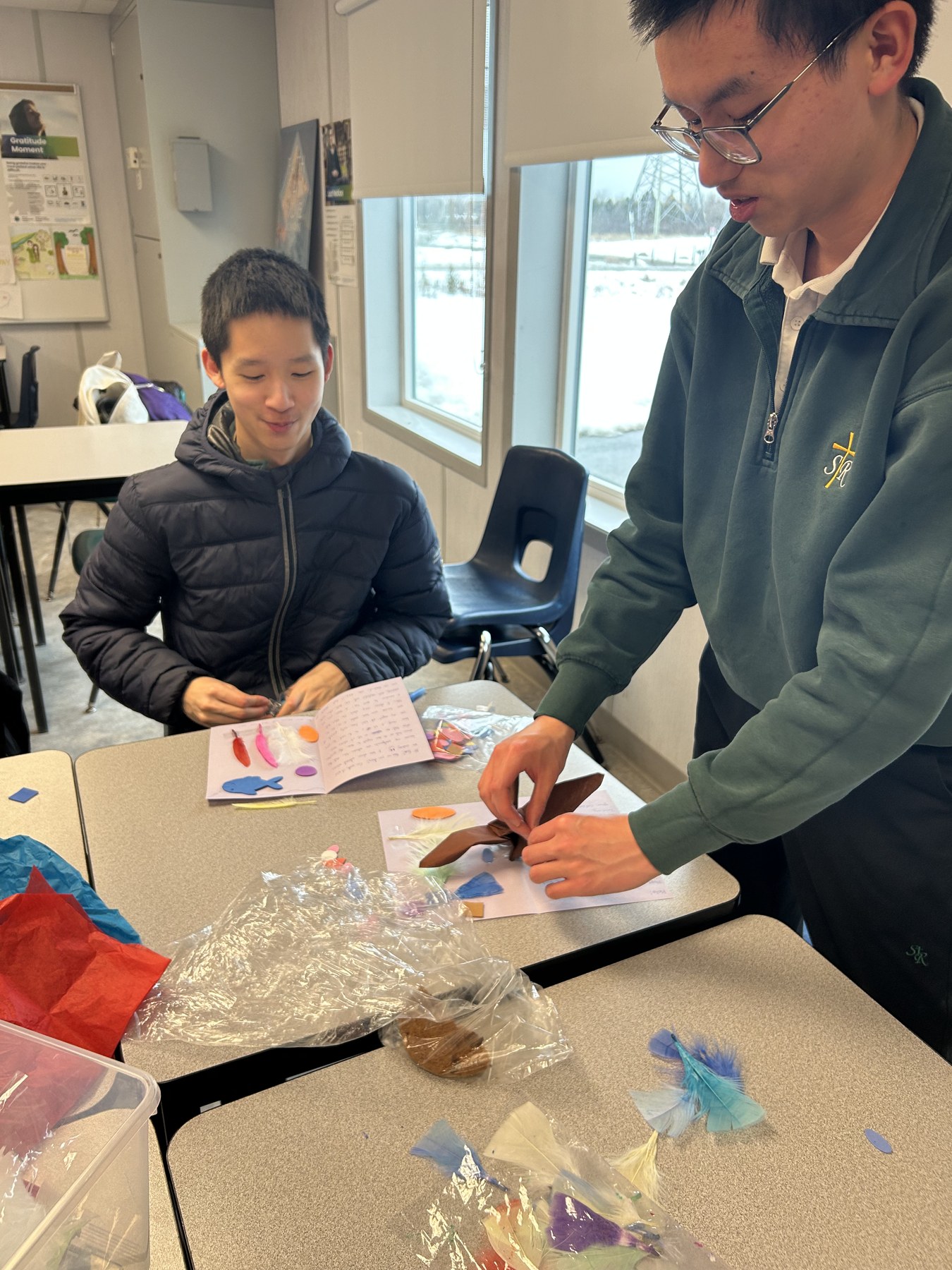
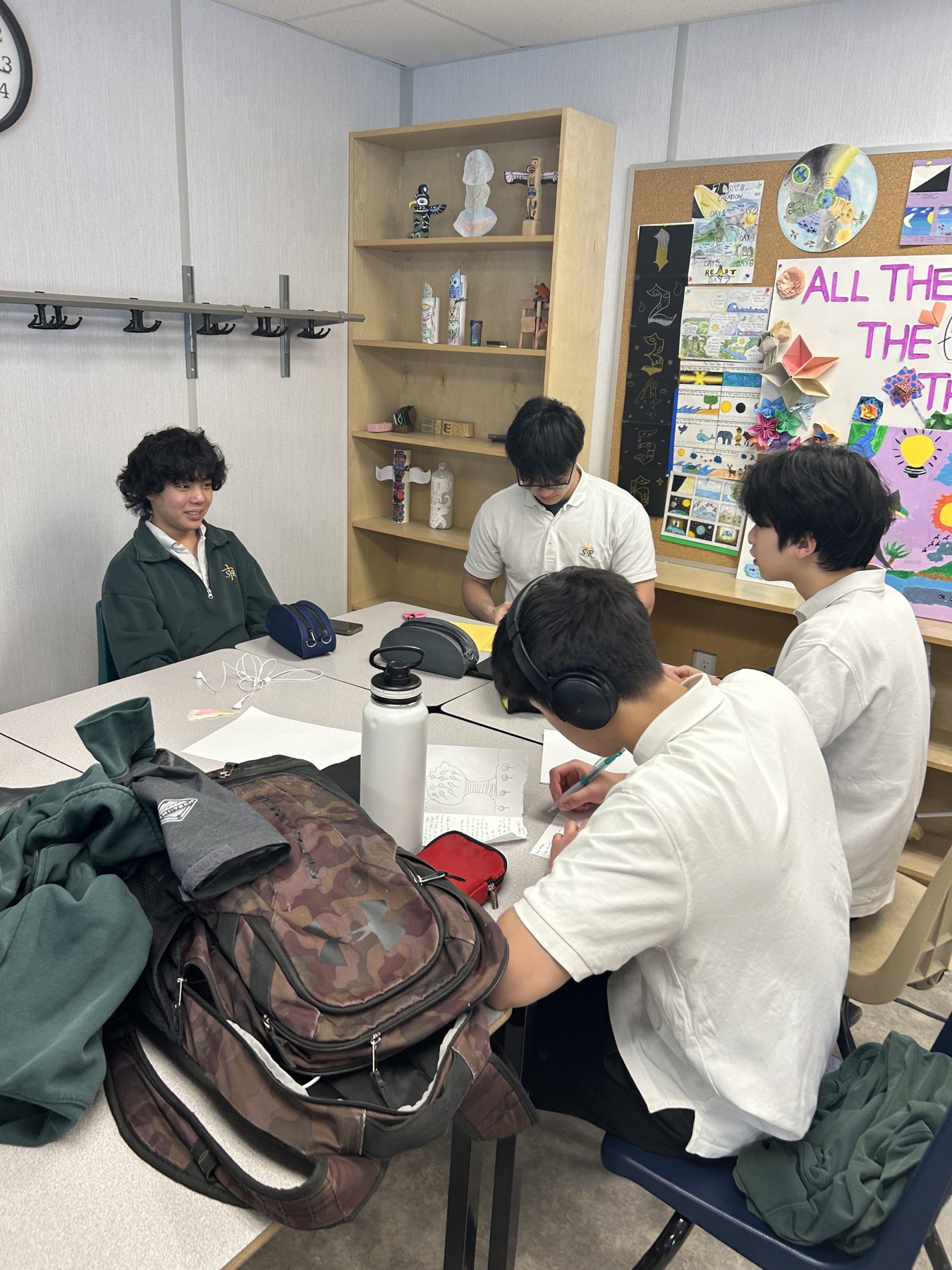
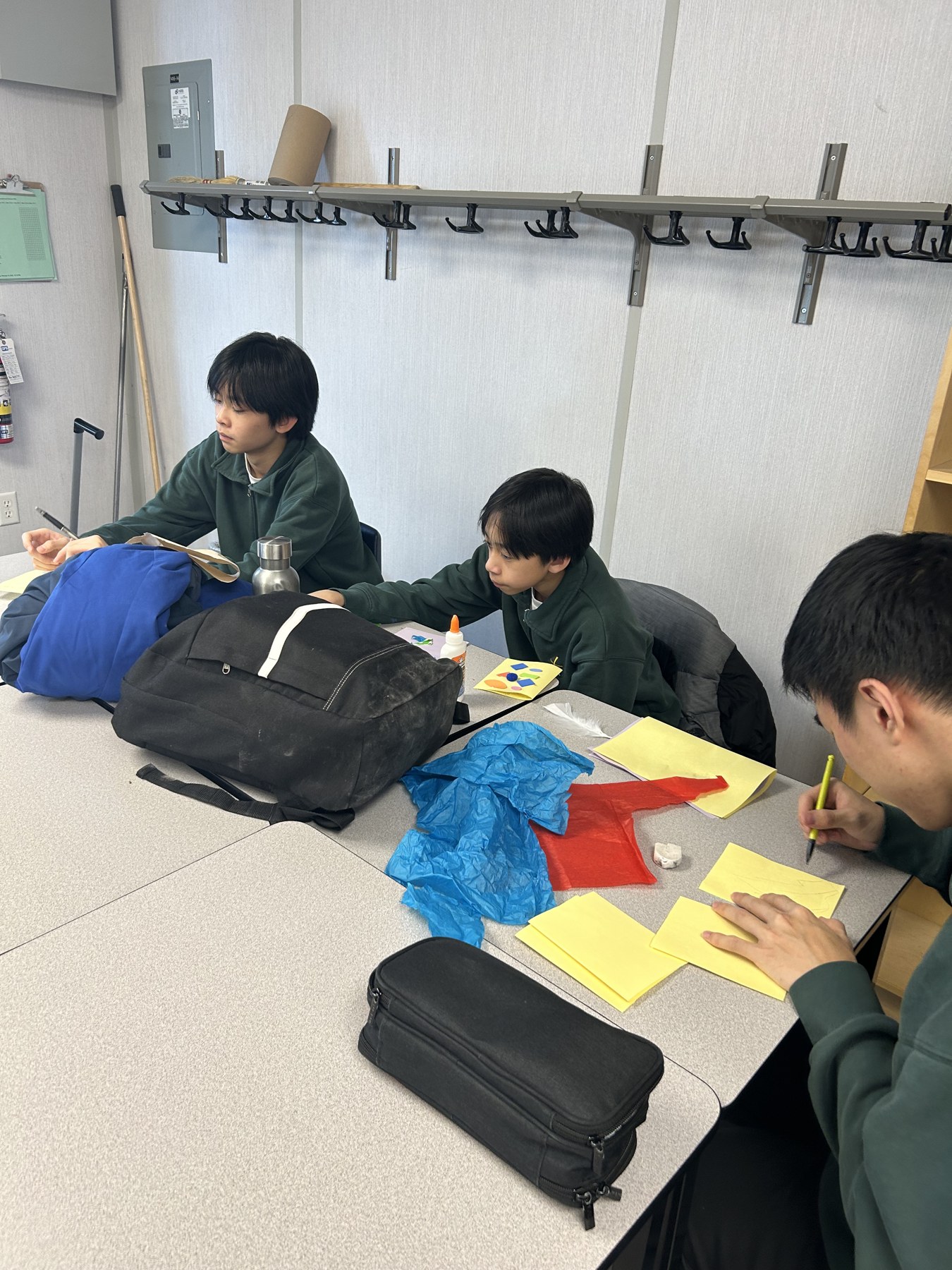
Students writing and decorating letters of appreciation
Writing letters in the classroom
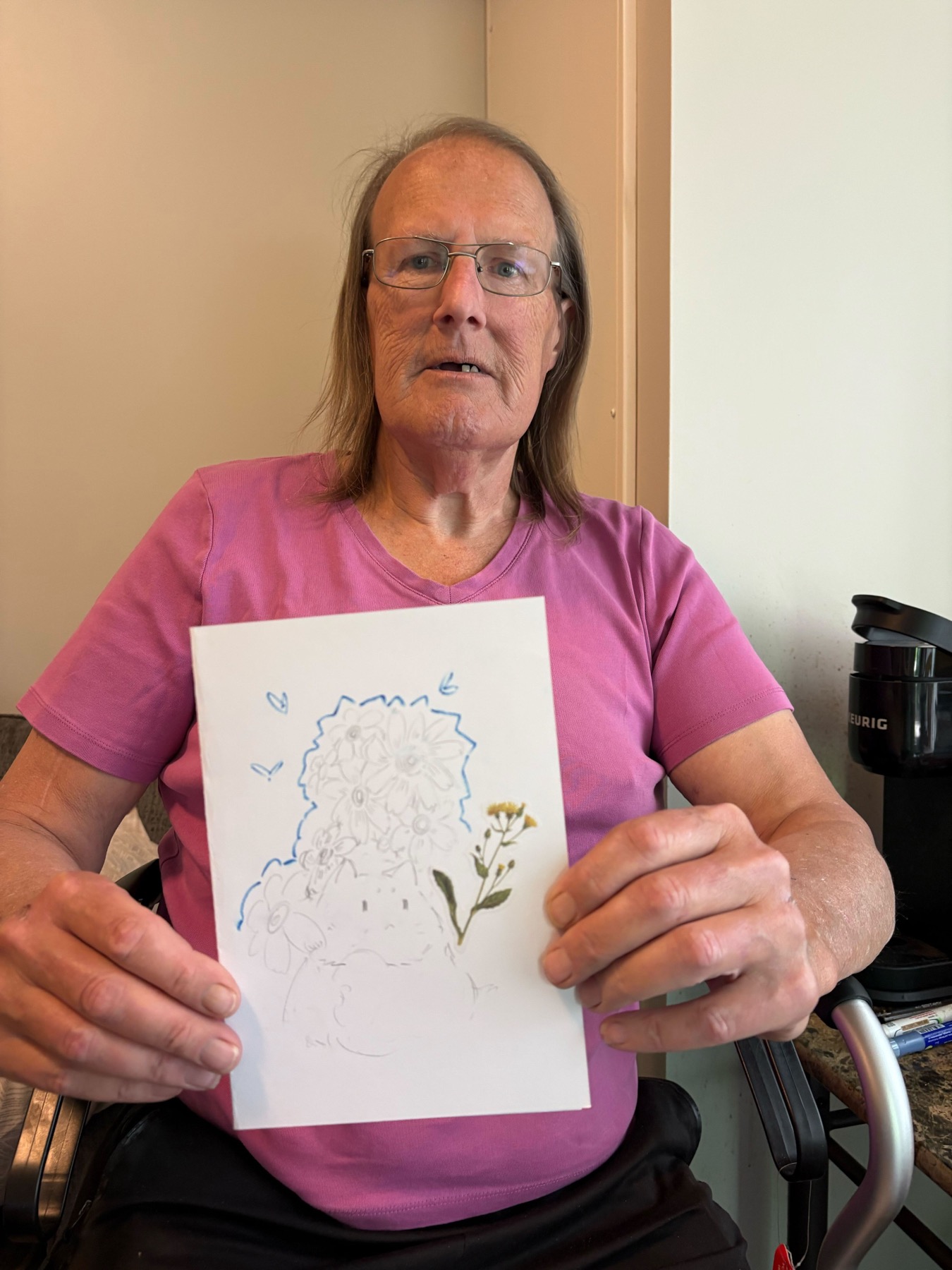
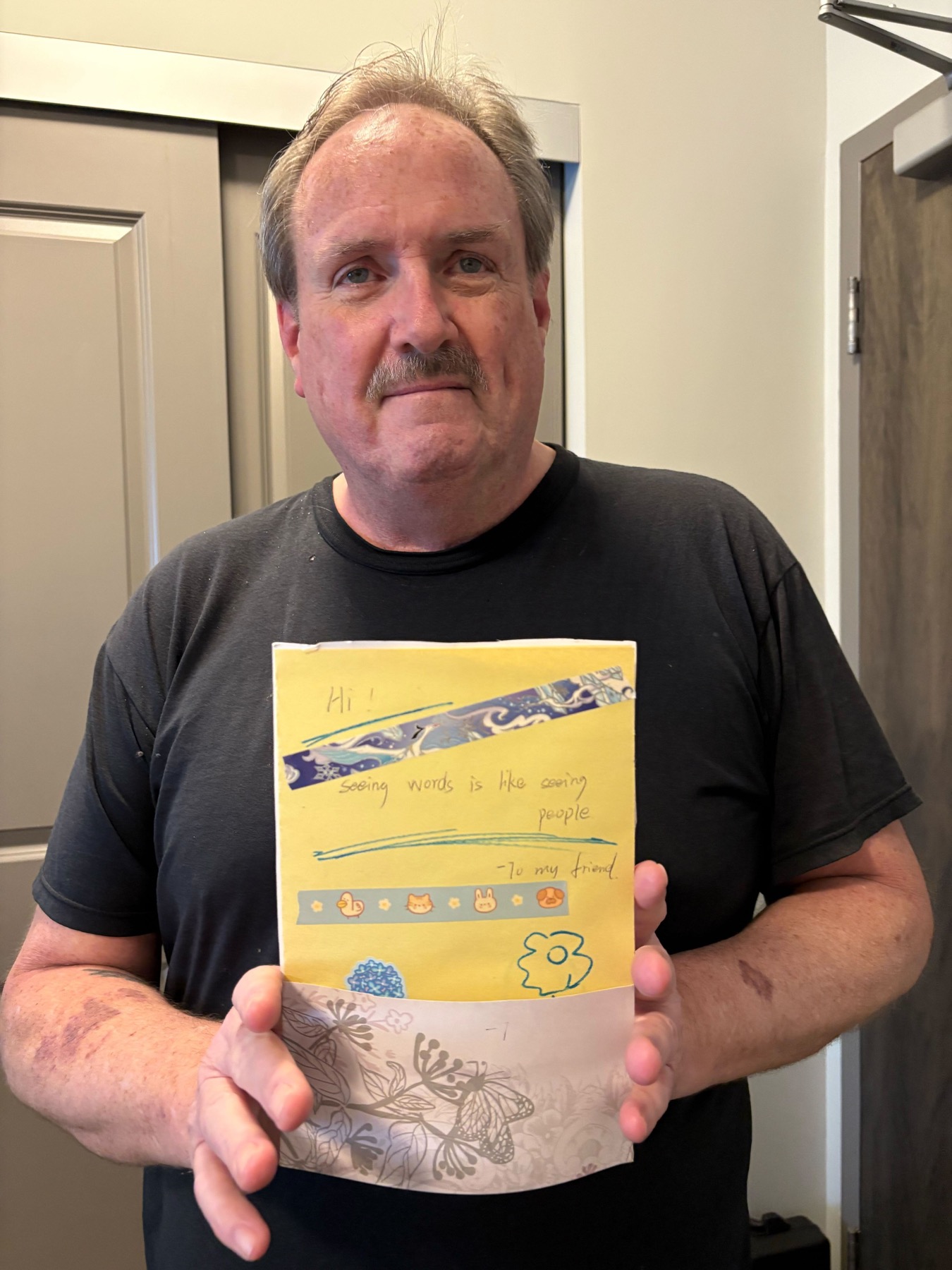
A veteran holding a student letter of appreciation
Letters shared with veterans
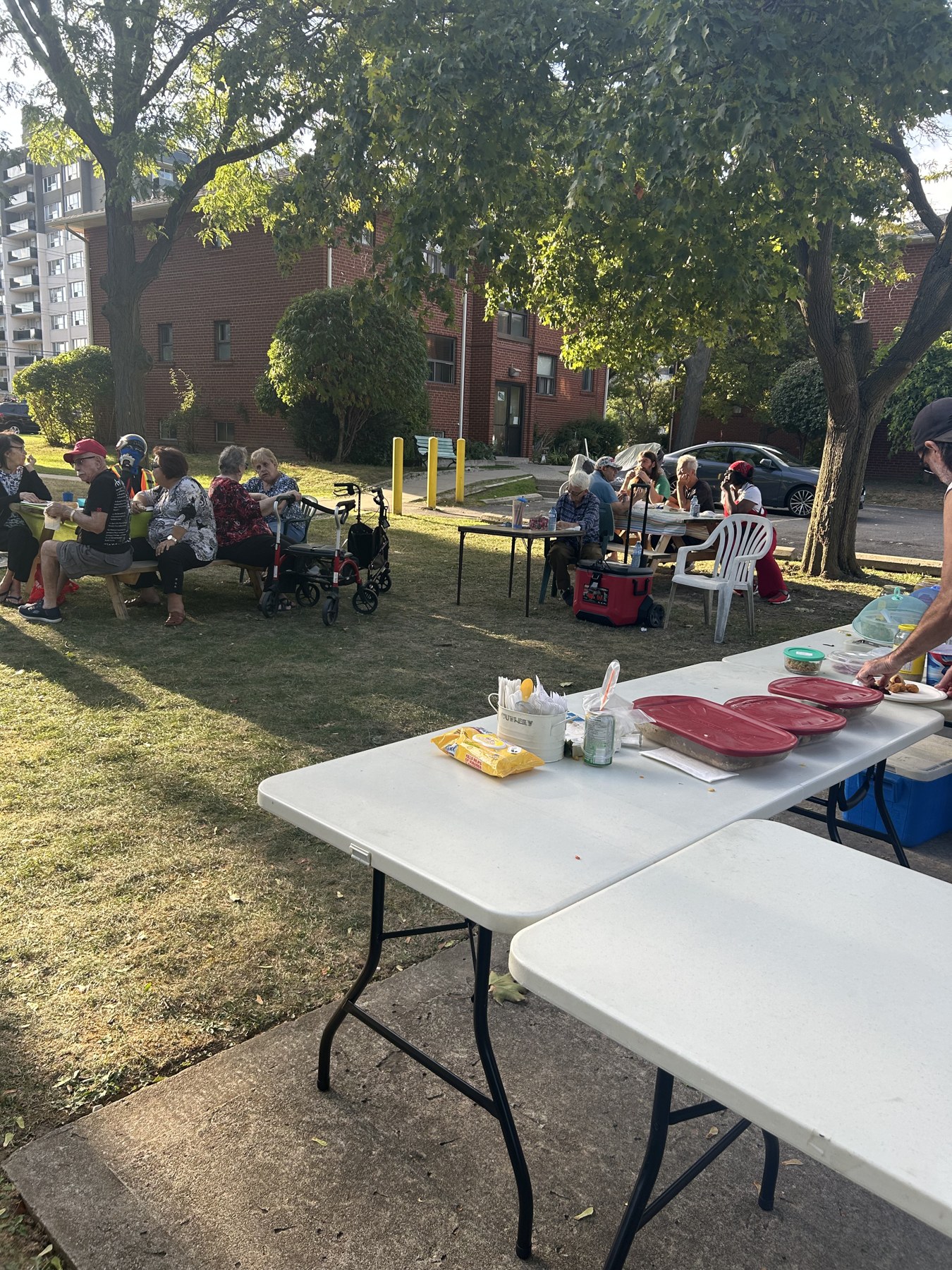
Participants and tables at a community barbecue
Community barbecues
01

Reintegration

Employment and the transition from military to civilian life.

02

Financial well-being

How language, culture, and personal circumstances shape financial decisions.

03

Community

Letters, interviews, and sustained connections with veterans.

50+Veterans interviewed
3Countries connected
1,000+Letters of appreciation
3,000+Veterans reached through outreach

About my research

Students working together on letters in a classroomVeterans and volunteers gathered at an outdoor table

I'm David Wen, an independent researcher exploring how veterans rebuild their lives after military service. My work connects questions about employment, financial well-being, language, and belonging with the experiences of the people living them.

What began as Pass the Torch, a community initiative bringing students and veterans together, has grown into this independent research platform. The mission remains personal: listen carefully, preserve stories, and turn understanding into meaningful connection.

Research papers

Veterans, human behaviour, and investing.
Research papers and competition projects.

01 / ECONOMICS & HISTORY22 PAGES
RESEARCH PAPER 01Veteran reintegration
& sustainable employment

Economics & History · 22 pages

National Reintegration Policies and Long-Term Employment Outcomes for Medically Released Veterans

Research on rehabilitation, sustainable employment, and life after military service.

Research notes ↓Read the paper ↗
02 / LANGUAGE & FINANCIAL WELL-BEINGRESEARCH PROPOSAL
RESEARCH PAPER 02Language, culture
& financial literacy

Comparative research · 25 pages

Language and Culture as Determinants of Financial Literacy in Aging Veteran Populations

A proposed comparative study of Anglophone and Francophone veterans in Canada, exploring language access, culture, and age. Hypotheses are presented as questions for further testing.

Research notes ↓Read the paper ↗
03 / HUMAN BEHAVIOUR7 PAGES
MARSHALL SOCIETY ESSAY COMPETITIONThe Calculus
of Chaos

How much can maths explain about us?

The Calculus of Chaos: Modelling the Human Equation

An essay on rational choice, the Ultimatum Game, and the limits of mathematical models in explaining human behaviour.

🏅 Finalist · Top 10 / 1,500+ entriesExplore the essay ↓Read the full essay ↗
04 / INVESTING & CULTURE15-PAGE TEAM REPORT
WHARTON GLOBAL HS INVESTMENT COMPETITIONClient-focused
portfolio strategy

Evergreen Asset Management · 2024–25

Culture and client-focused portfolio strategy

Our team's investment strategy for a Nigerian client whose goals included giving back. Connecting financial models with the person behind the portfolio.

🏅 Finalist & team leader · Top 10 / 1,800 teamsExplore the project ↓Browse the team report ↓

What I am studying

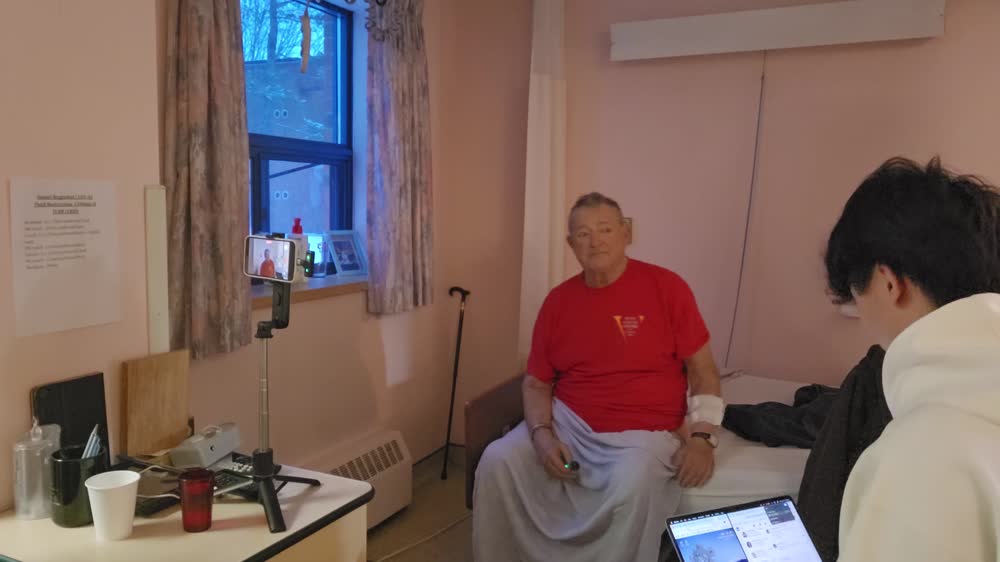
David speaking with a veteran during an interview

Conversations inform the research

Interviews with veterans connect the questions in these papers with experiences of life after service.

PAPER 01 · ECONOMICS & HISTORY

Does rehabilitation lead to lasting employment?

Research question: To what extent has vocational rehabilitation under the New Veterans Charter improved the economic reintegration of Canadian Armed Forces veterans since 2006?

Approach

The paper combines a historical examination of the 2006 policy shift with economic models, published employment and income research, and three anonymized veteran interview accounts. It considers labour-market participation, employment sustainability, and financial security separately.

Main argument

Retraining can help veterans qualify for civilian work, but a job placement alone does not demonstrate lasting economic independence. Health, working hours, workplace adjustments, and social belonging also shape whether employment can be maintained.

Evidence discussed in the paper

  • Immediate job placement among rehabilitation-plan completers rose from 26% in 2010–11 to 41% in 2011–12.
  • The paper cites health conditions or activity limitations at work among 35% of employed veterans, compared with 13% of employed civilians.
  • Three anonymized interviews consider recurring pain, adjustment to civilian workplaces, and returning to education.

Figures are reported in the supplied paper, drawing on Veterans Affairs Canada and the Office of the Veterans Ombudsman. See the paper's figures 3–4 and bibliography for the original sources.

Conclusions and limitations

The paper argues that vocational rehabilitation has made a meaningful but incomplete contribution to reintegration. Education and retraining need continued medical, psychological, and occupational support.

The two-year job-placement comparison does not establish causation or long-term retention. Broader income studies cannot isolate the effect of the 2006 reforms, and medically released veterans' experiences should not be generalized to every veteran.

Read the full paper and references ↗
PAPER 02 · LANGUAGE & FINANCIAL WELL-BEING

How do language and culture shape financial literacy?

Research question: Does language and cultural background influence financial literacy and financial decision-making among senior veterans, and does that effect change with age?

Where the question began

The paper connects my personal-finance education work with young people, interviews about veterans' financial histories, and the development of a financial-support application. It explores how language-matched guidance could affect access and confidence.

Three questions to test

  1. Do Francophone veterans in English-majority Canadian regions experience barriers to financial education and advice in their own language?
  2. How does minority-language status compare with language identity across national contexts?
  3. Does the language-related gap vary with age?

Proposed study design

A mixed-methods approach combines structured interviews, a financial-literacy assessment, and application usage information. The “Big Three” questions assess interest rates, inflation, and risk diversification.

The paper proposes an international comparison involving Canada, France, Belgium, and Morocco, while recognizing that national benefit systems and living costs make direct comparisons difficult.

Why the distinction matters

Financial confidence and tested financial knowledge are different measures. A change in self-reported confidence alone would not demonstrate an improvement in literacy.

Research status and limitations

This document is a working draft. Its abstract and methodology describe proposed research; later sections include tables described as test data, and its conclusion contains an unfinished placeholder. Those tables are not presented here as confirmed research findings.

The paper discusses self-selected recruitment, small international samples, differences in interview standardization, and difficulty separating age, language, culture, and country effects.

Read the full working paper and references ↗
Students preparing handwritten lettersA veteran holding a student letterStudent letters displayed on a table

The Calculus of Chaos

Marshall Society · Finalist · October 2025

Mathematical modelling and human behaviour

The essay asks how far mathematical modelling can capture the complexity of human behaviour. It starts with rational choice: people choosing the option that maximizes their own utility, given a budget.

Then it asks what happens when fairness, emotion, and our beliefs about other people enter the picture. The Ultimatum Game provides a useful test: someone may reject money if they feel the offer is unfair.

The argument is that models help us isolate patterns and make predictions, while their assumptions limit how much they can capture about social interaction and individual decisions.

Read the 7-page essay ↗
RECOGNITION

Top 10 of 1,500+
entries worldwide.

Finalist — Marshall Society Essay Competition
October 2025 · Grade 11

Featured in The Dismal Scientist, the Marshall Society’s economics magazine at Cambridge.


The connection to my other work

A model is more useful when it pays attention to context. That question connects this essay with my work on veterans' financial well-being and culture-informed investing.

Wharton Investment Competition

🏅 Finalist & Team LeaderTop 10 of 1,800 teams66 countriesFirst Ontario team to reach the finals

Evergreen Asset Management

Wharton Global High School Investment Competition
September 2024–January 2025 · Grade 10

Our team designed a strategy for Mr. Ayoola, a Nigerian client whose ambitions included supporting his community. We connected his background and priorities with a portfolio designed around his financial goals and risk tolerance.

We presented our portfolio strategy at the University of Pennsylvania finals before Wharton professors and industry professionals.

Why this belongs beside the veteran research

The connection is personal context: financial support should consider someone's goals, relationships, language, and background. That principle connects this project with my questions about veterans' financial well-being without assuming that every community has the same needs.

How the team built the strategy

See the original team report ↓
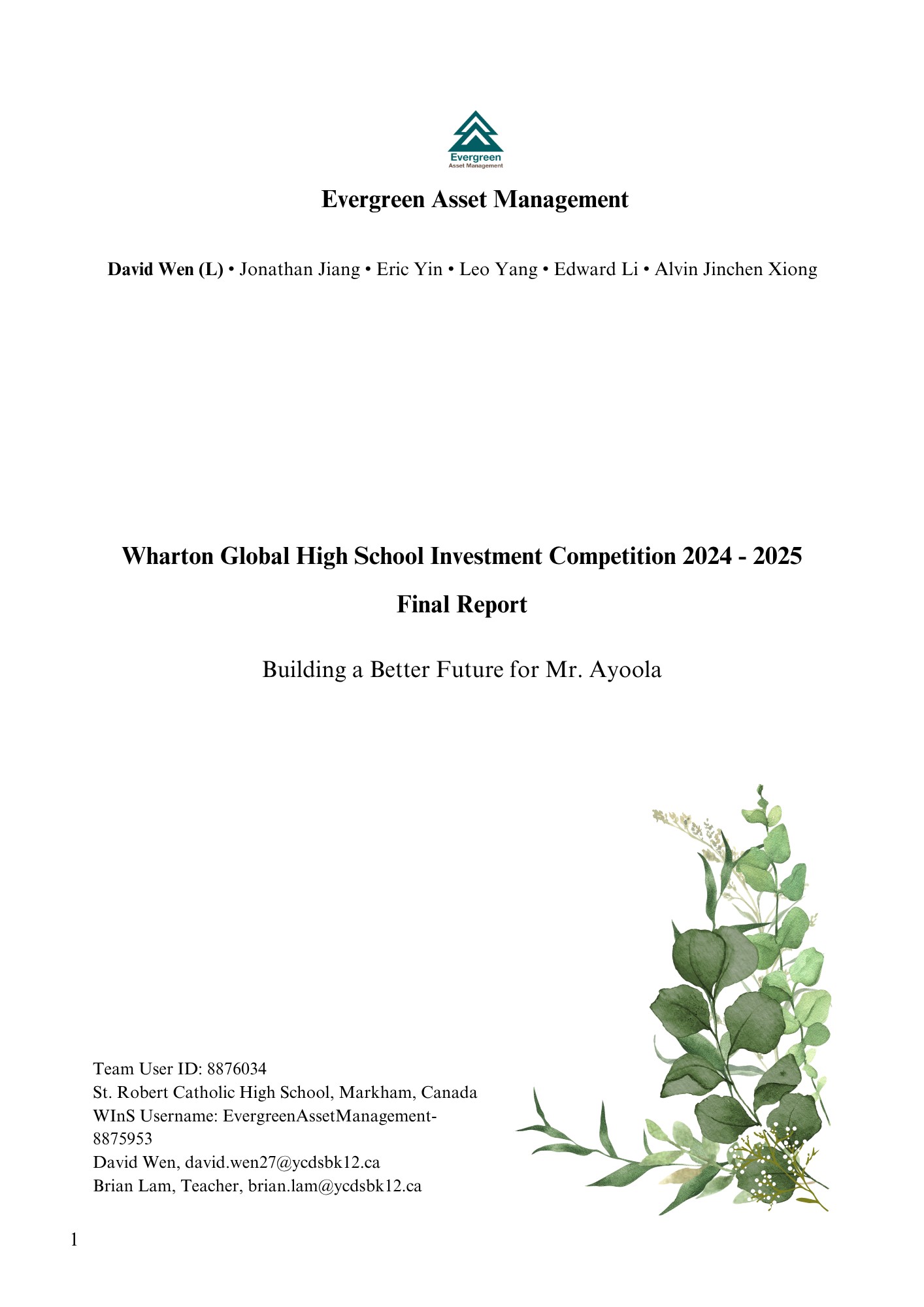
THE ORIGINAL TEAM REPORT

Wharton team report

Download all 15 pages ↓
Wharton team report, page 1

Select a page or use the arrows. Click the page to read it at full size.

Veteran interviews

50+ veterans interviewed across
Canada, the United Kingdom, and France.

FROM THE INTERVIEW ARCHIVE
A veteran holding a handwritten letterA veteran displaying a student letter

Interviews and personal stories.

Conversations with veterans are at the heart of this work: a way to understand individual experiences alongside the policies and systems that shape life after service.

This growing archive brings those conversations into the research. Watch a recording, or get in touch to share your own experience.

Share your story ↗

Community impact across Canada

Outreach connections across three provinces.
Hover over a pin, or tap a city to explore.

TORONTO · STARTING POINT OUTREACH CONNECTION

Photos come from the project archive and illustrate different activities; city assignments have not been confirmed. Finchurst is the named veterans home in the supplied project notes. Toronto is the starting point for six other city connections.

Community initiatives

The Pass the Torch initiatives
that started this journey.

Students writing and decorating letters of appreciation01 / LETTERS OF APPRECIATION

Student letters of appreciation

More than 1,000 student letters written and sent to veterans across three provinces, connecting generations through handwritten appreciation.

Tables and participants at an outdoor community barbecue02 / COMMUNITY ENGAGEMENT

Weekly community barbecues

Weekly free barbecues for veterans at Finchurst Veterans Home, supported by funding from Community Neighbors Canada.

A veteran holding a student letter of appreciation03 / VETERAN STORIES

Recording veteran experiences

From the initiative's first 10 interviews to a broader research journey of 50+ veteran interviews across Canada, the UK, and France.

Photos from the project

Selected project archive photograph

Contact & get involved

Share an experience, connect your veterans home,
or explore a research collaboration.

hilopersons@gmail.com ↗437-242-1921 ↗